UVB lighting explained
Why reptiles need UVB, what UVI means, and how much each species needs.
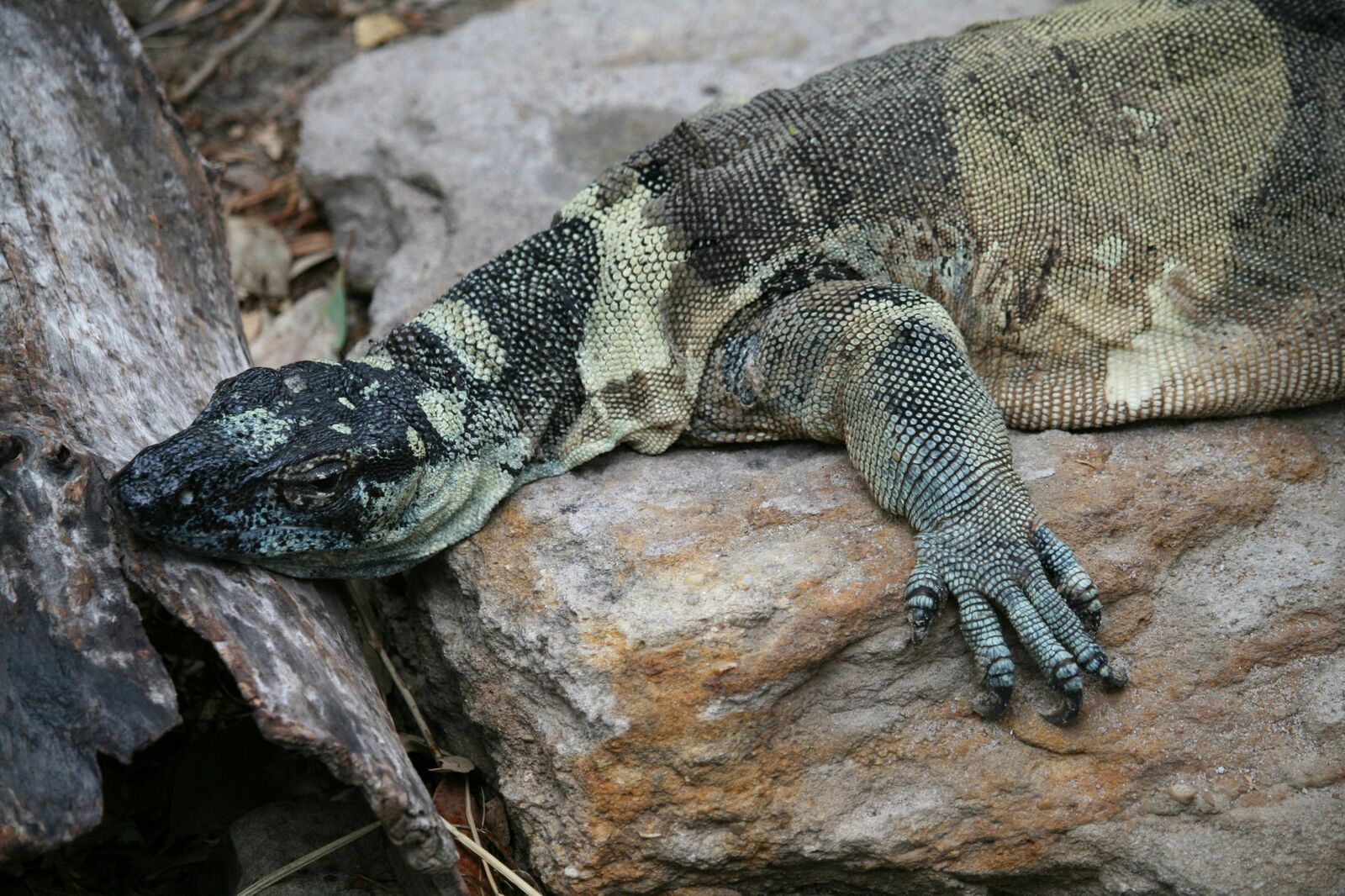
Why UVB matters
Reptiles use UVB light to make vitamin D3, which lets them absorb calcium. Without the right UVB, many species develop metabolic bone disease: soft, weak and deformed bones. Even species once thought not to need it, like many geckos and snakes, benefit from low levels.
What UVI means
UVI (UV index) measures the strength of UVB your reptile actually receives. It depends on the bulb, how far away it is, and whether there's mesh in between. Mesh can block a big share of the light, so the bulb has to be closer.
The most reliable way to check is with a UV meter such as a Solarmeter 6.5. Without one, follow the manufacturer's distance guidance for your exact bulb and setup.
How much each species needs
These are the targets at the basking spot from our care sheets. Shade and cool areas should have less, so your reptile can choose.
| Species | UVB target |
|---|---|
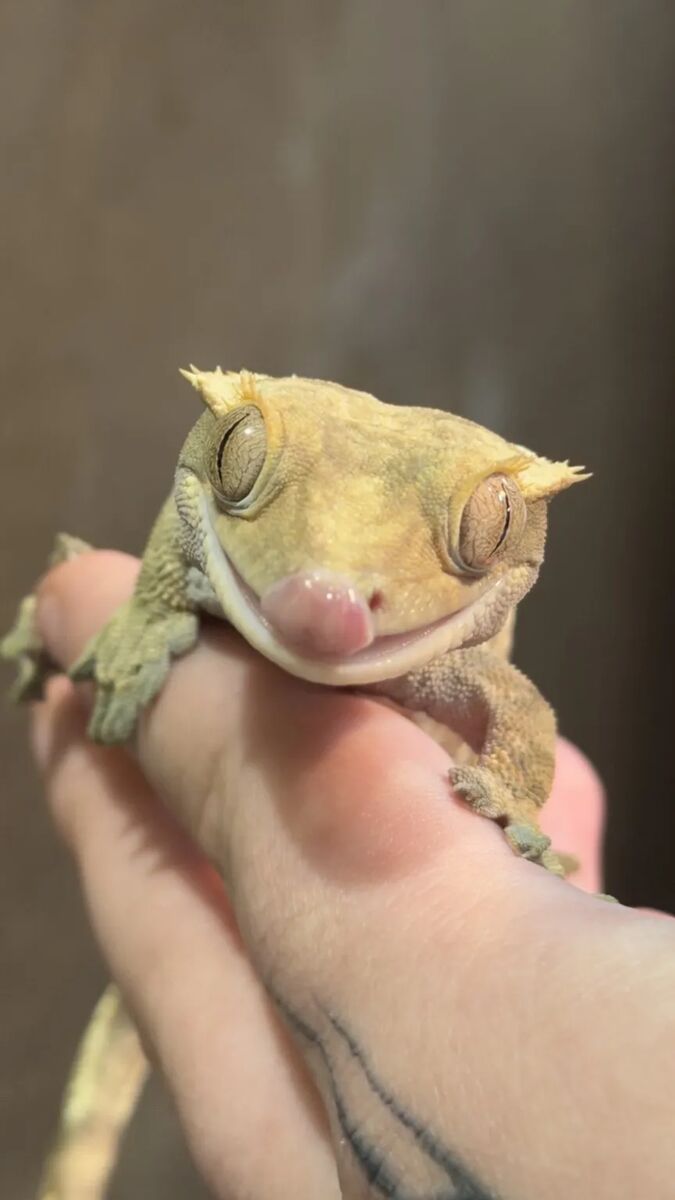
| Crested gecko | Low: UVI 1.0–2.0 at the basking branch |
| Gargoyle gecko | Low: UVI 1.0–2.0 at the basking branch |
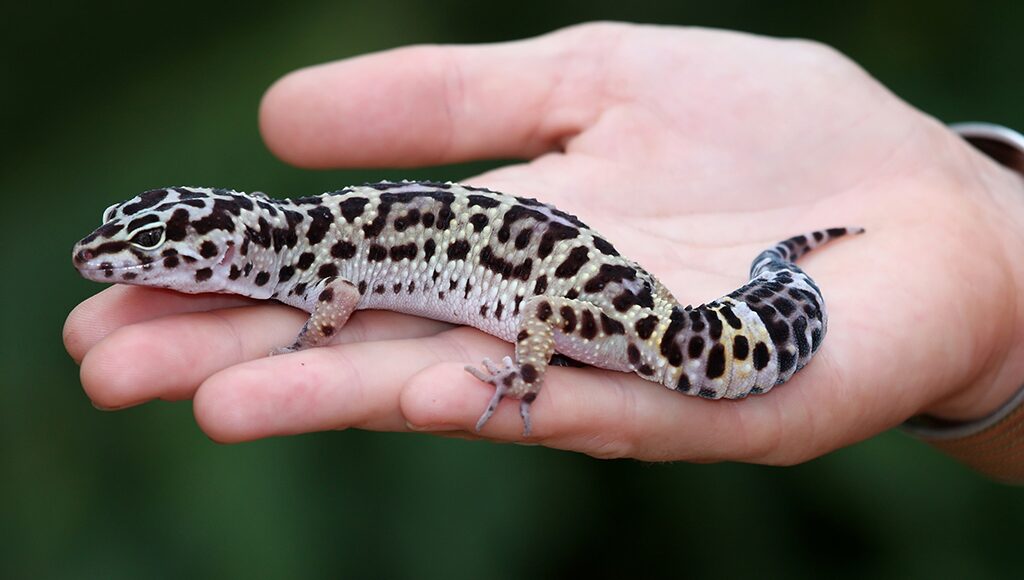
| Leopard gecko | Low: UVI 0.5–1.5 (max 0.7 for albino and other low-pigment morphs) |
| African fat-tailed gecko | Low: UVI 1.0–2.0 |
| Bearded dragon | Strong: UVI 4.0–4.5 at the basking spot (T5 HO 12–14%) |
| Northern blue tongue skink | UVI 3.0–4.0 in the basking area (T5 HO) |
| Veiled (Yemen) chameleon | About UVI 3.0 at basking height |
| Casque-headed iguana | UVI 3–4 at the basking branch |
| Ackie monitor | Strong: UVI 4.0–6.0 at the basking spot |
| Uromastyx | Strong: UVI 4.5–6.0 (T5 HO 14%) |
| Corn snake | UVI 2.0–3.0 in the basking area |
| Royal python (ball python) | UVI 2.0–3.0 in the basking area |
| Western hognose | UVI up to 2.0–3.0 |
| Kenyan sand boa | UVI 2.0–3.0 in the basking area |
| Kingsnake | UVI 2.0–3.0 in the basking area |
| Hermann's tortoise | T5 HO 10–12% over the basking area, about half the enclosure length |
| Horsfield's tortoise | UVI 3.0–4.0 (T5 HO 10–12%) |
| White's tree frog | Low-level UVB recommended |
| Pacman frog | Low-level UVB recommended |
Getting it right
- Use linear T5 tubes for most species. They spread UVB across a wider area than compact bulbs.
- Never put glass or plastic between the bulb and the animal: it blocks UVB.
- Run UVB on the same day cycle as the main lights, usually 10 to 14 hours.
- Replace T5 UVB tubes about every 12 months, even if they still light up. UVB output fades long before the visible light does.
- Albino and other low-pigment animals need lower levels.
This guide is general advice. For health concerns, always speak to an exotic vet.
Last updated October 2026. Care guidance is subject to change as husbandry research develops.
More guides
See all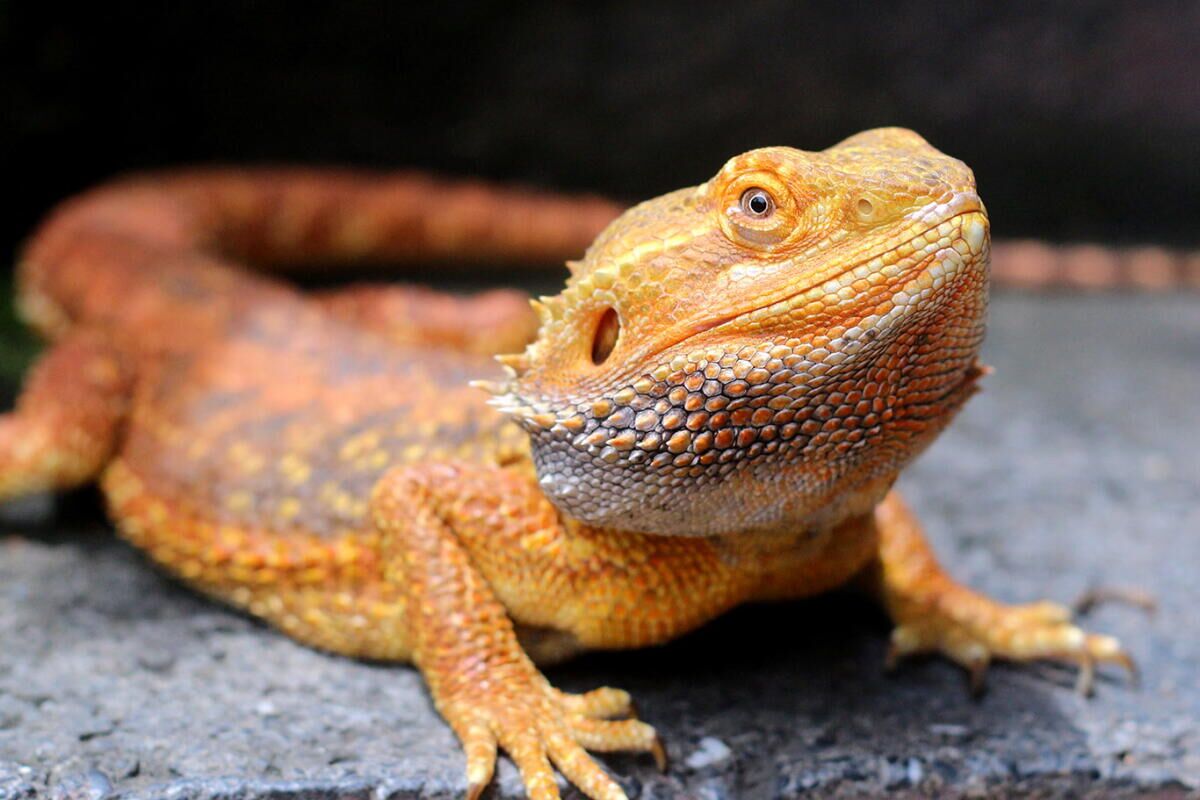
Heating, thermostats and temperature gradients
How to set up safe heating and a proper warm-to-cool gradient.
Choosing your first reptile
What to think about before you bring a reptile home, and which species suit first-time keepers.
Feeder insects, gutloading and supplements
Choosing, sizing, gutloading and dusting insects so your reptile gets the nutrition it needs.