Choosing your first reptile
What to think about before you bring a reptile home, and which species suit first-time keepers.
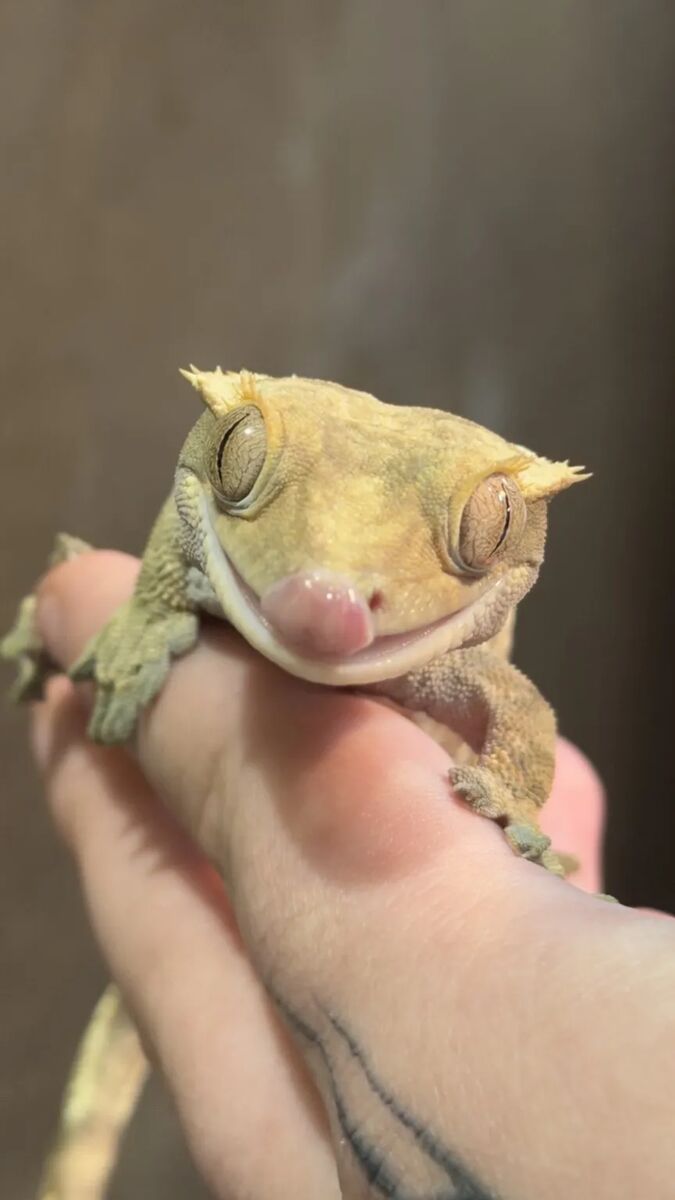
Start with the commitment
Many reptiles live for 15 to 30 years, and tortoises can outlive their owners. Before choosing a species, be sure you can commit to that, and that the people you live with are happy too.
- Lifespan: will you be able to care for it in 10, 20 or 30 years?
- Space: adult enclosures are often much bigger than people expect.
- Running costs: heating, UVB bulbs (replaced yearly), food and vet care add up.
- A vet: find an exotic vet near you before you need one.
There's no such thing as a starter reptile
Every species needs the right enclosure, heat, lighting and diet from day one. Some species are more forgiving of small mistakes, which is why they suit first-time keepers, but none of them are low-maintenance.
Species by experience level
Here's how the species in our care sheets compare. Beginner species are more forgiving of small mistakes; intermediate species need more space, more precise heat and UVB, or more experience with handling and diet. Open any care sheet for the full details.
| Species | Group | Experience | Lifespan |
|---|---|---|---|
| African fat-tailed gecko | Lizards | Beginner | 15–20 years |
| Chilean rose tarantula | Invertebrates | Beginner | Females up to 20 years; males much shorter |
| Corn snake | Snakes | Beginner | 15–25 years |
| Crested gecko | Lizards | Beginner | 15–20 years |
| Gargoyle gecko | Lizards | Beginner | 15–20 years |
| Kenyan sand boa | Snakes | Beginner | Up to 30 years |
| Kingsnake | Snakes | Beginner | 20+ years |
| Leopard gecko | Lizards | Beginner | 15–20 years |
| Mexican red knee tarantula | Invertebrates | Beginner | Females 15+ years; males about 10 |
| Pacman frog | Amphibians | Beginner | 10+ years |
| White's tree frog | Amphibians | Beginner | 15–20+ years |
| Northern blue tongue skink | Lizards | Beginner–Intermediate | 15–20 years, sometimes much longer |
| Royal python (ball python) | Snakes | Beginner–Intermediate | 15–30 years |
| Western hognose | Snakes | Beginner–Intermediate | 10–15+ years |
| Ackie monitor | Lizards | Intermediate | 15+ years |
| Bearded dragon | Lizards | Intermediate | 10–15 years, sometimes 20+ |
| Casque-headed iguana | Lizards | Intermediate | Around 5–7 years reported |
| Hermann's tortoise | Tortoises | Intermediate | 50+ years |
| Horsfield's tortoise | Tortoises | Intermediate | Up to about 50 years |
| Uromastyx | Lizards | Intermediate | 25+ years |
| Veiled (Yemen) chameleon | Lizards | Intermediate | 6–8 years; females usually shorter |
Before you buy
- Set up and run the enclosure for a week first, checking temperatures and humidity.
- Buy captive-bred from a reputable breeder or rescue, never on impulse.
- Plan a quarantine area if you already keep reptiles.
- Ask questions. A good breeder or rescue will ask you plenty too.
This guide is general advice. For health concerns, always speak to an exotic vet.
Last updated October 2026. Care guidance is subject to change as husbandry research develops.
More guides
See all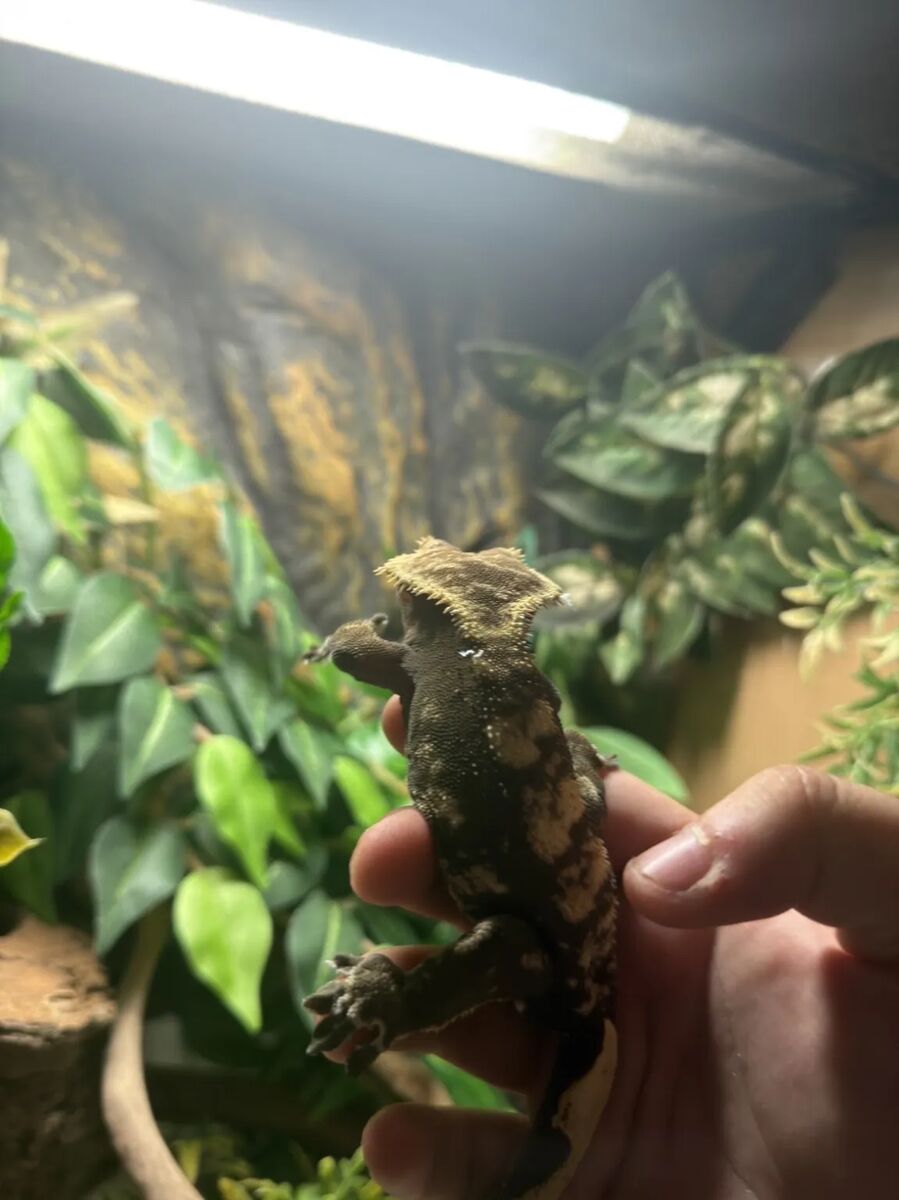
Handling and taming
How to build trust with a new reptile and handle it safely.
UVB lighting explained
Why reptiles need UVB, what UVI means, and how much each species needs.
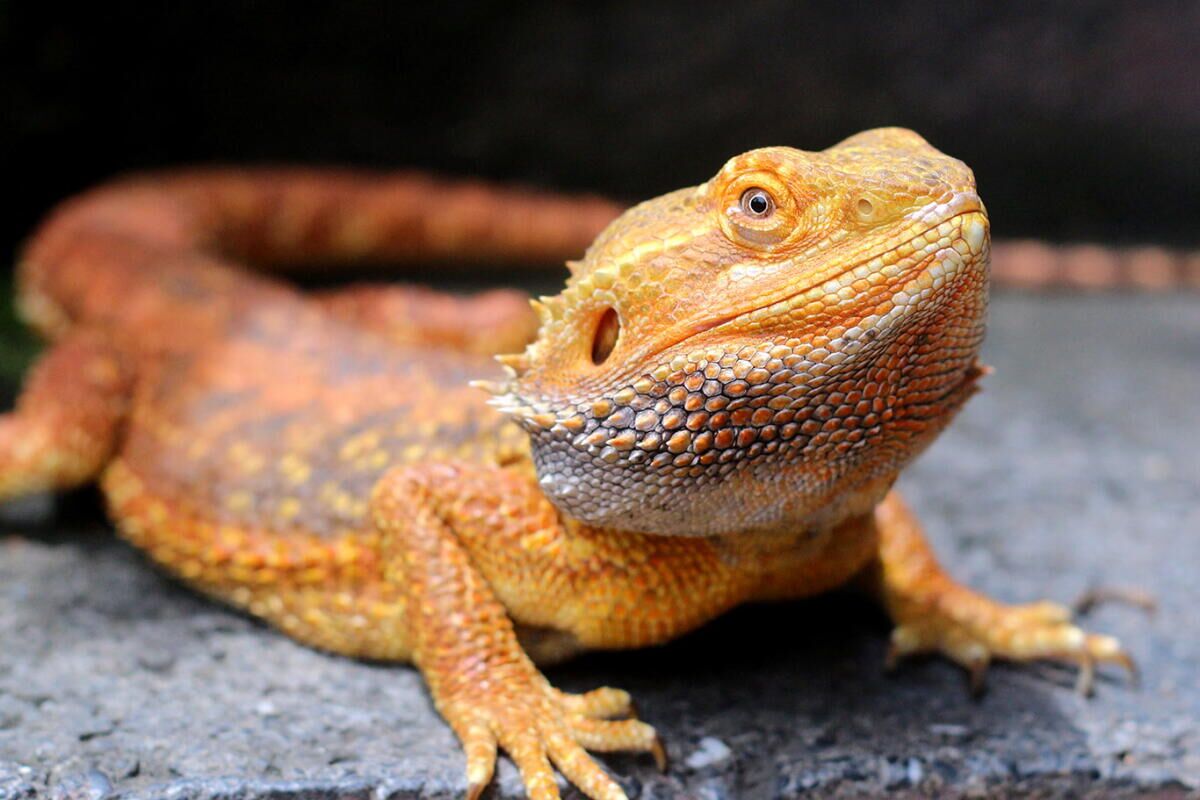
Heating, thermostats and temperature gradients
How to set up safe heating and a proper warm-to-cool gradient.