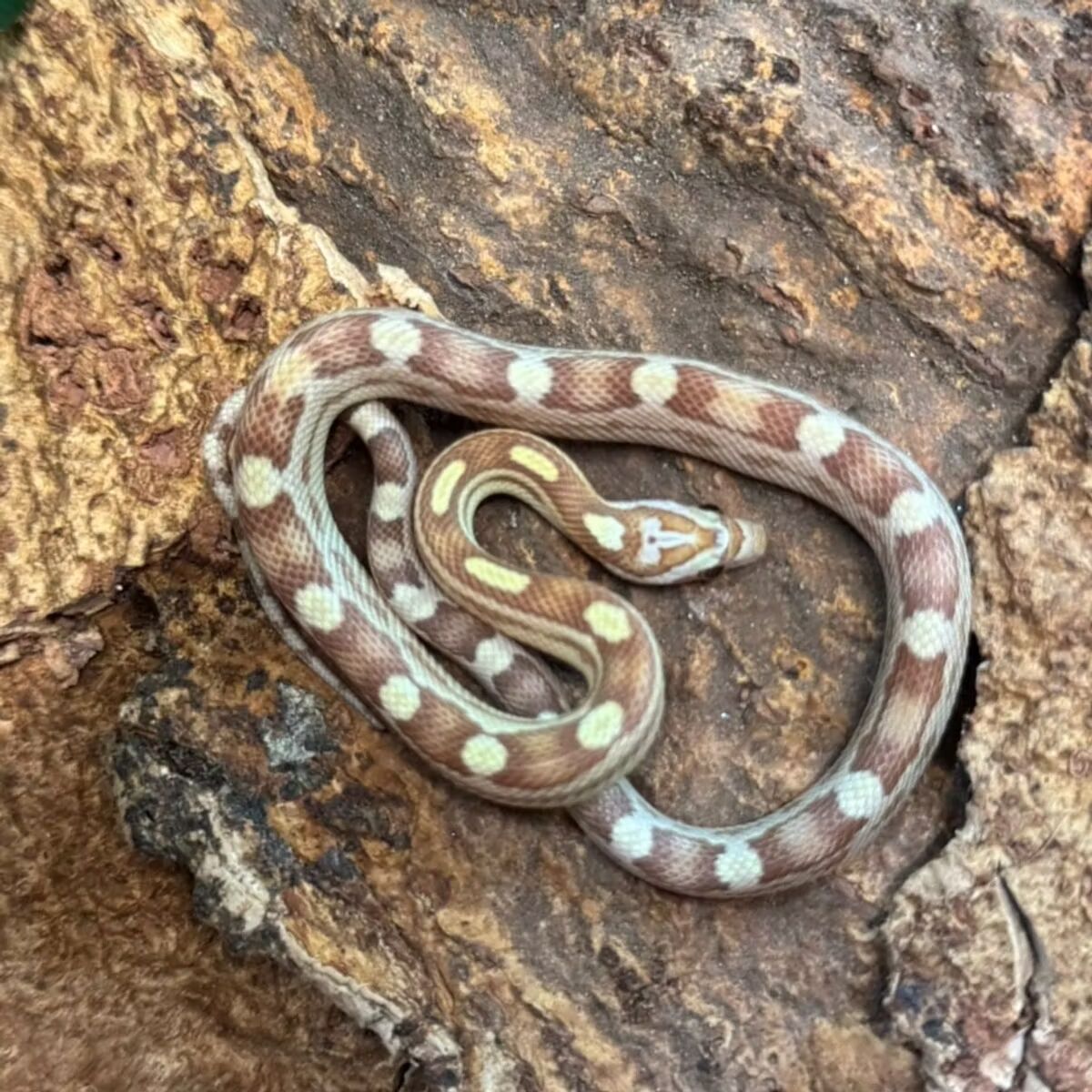
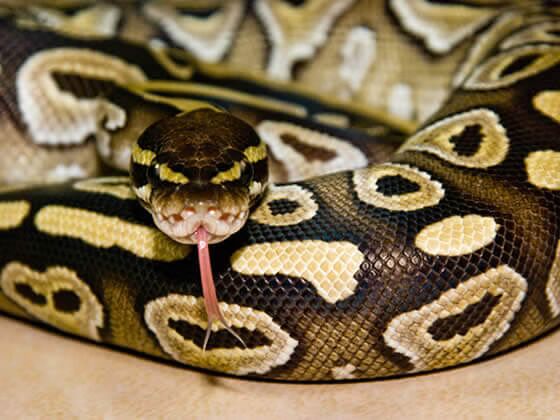
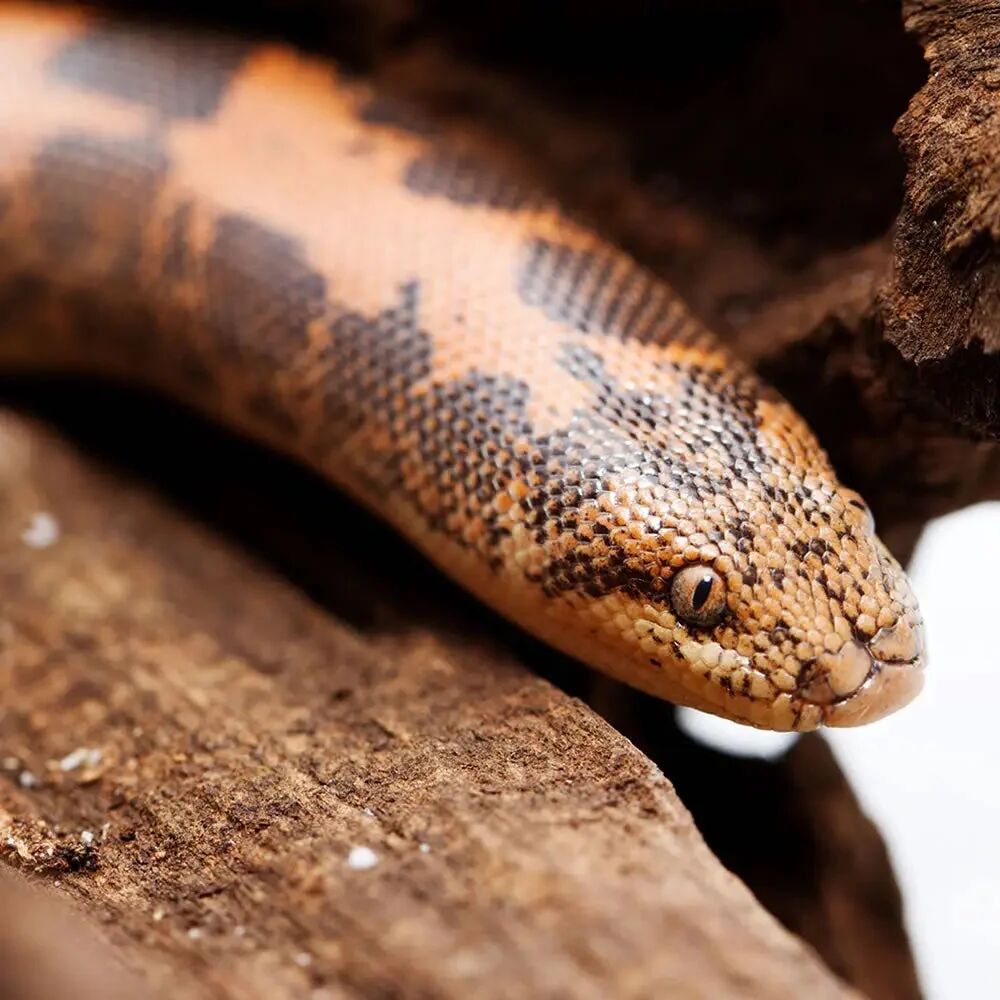
Western hognoseHeterodon nasicus
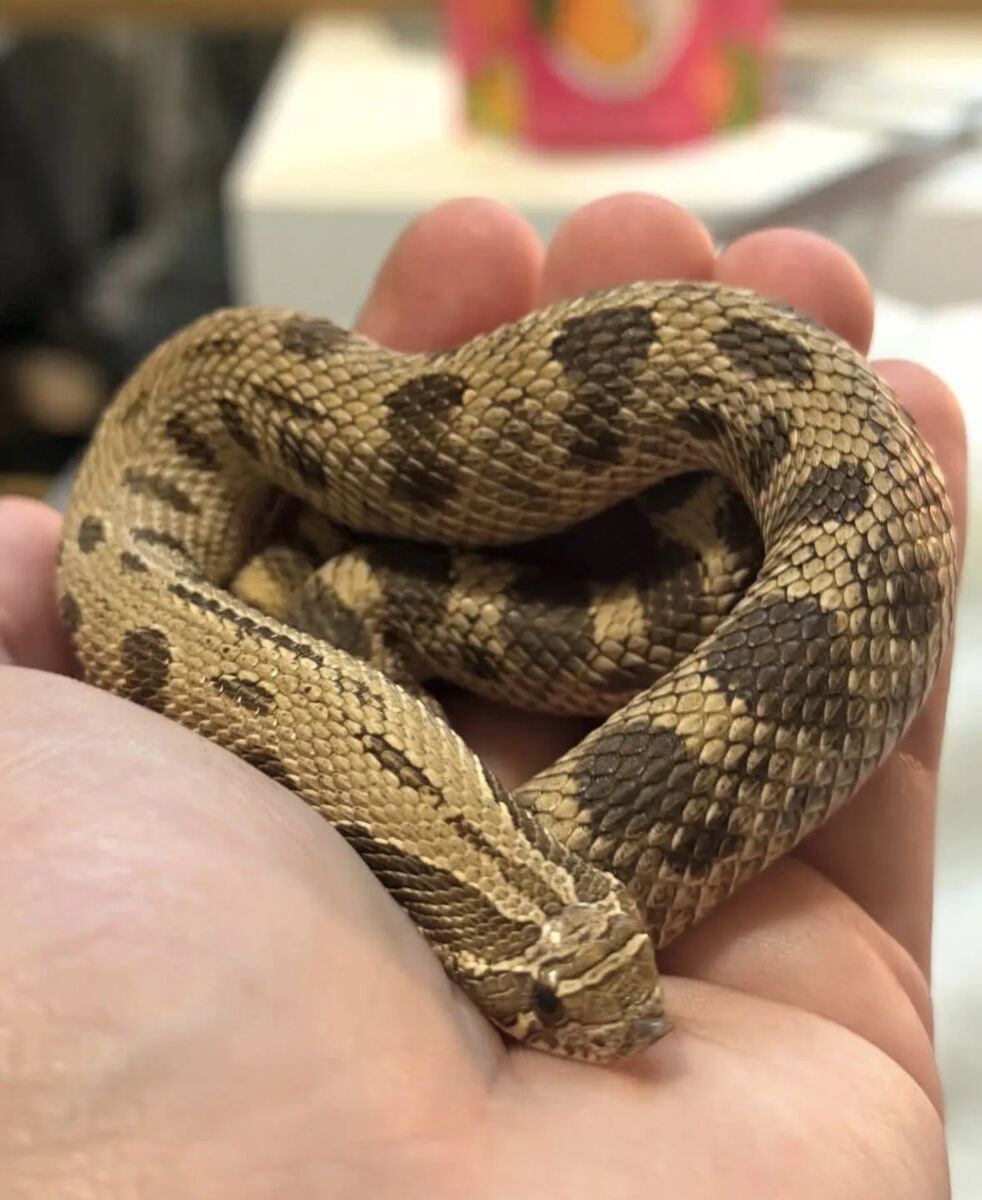
Western hognoses are small, stocky burrowing snakes from the plains of North America, famous for their upturned snouts and dramatic bluffing: hissing, flattening their necks and even playing dead.
Enclosure
Males need at least 76 × 33 × 33 cm; females, which grow bigger, need at least 90 × 45 × 40 cm. Floor space and substrate depth matter more than height.
Hognoses are solitary. House singly.
Heating
Provide a 32–35°C basking surface with the rest of the enclosure around 24–29°C. Nights can drop, but no lower than 16°C.
Lighting & UVB
UVB at a UVI of up to 2.0–3.0 benefits hognoses, on roughly a 12-hour day.
Humidity & water
Keep humidity at 30–50%, with a large, heavy water dish they can soak in. Change water daily.
Substrate & decor
Hognoses love to dig, so give them a deep, loose substrate such as a sandy soil mix or aspen, plus hides and cover.
Diet & feeding
Feed frozen-thawed prey no wider than the snake's head. Juveniles every 4–5 days, adults about once a week.
Wild hognoses mostly eat toads and frogs. Captive snakes usually take rodents; picky feeders may need prey scented, and variety helps avoid obesity.
Supplements
A light, occasional dusting with a calcium and vitamin powder is recommended, as captive-bred feeders can lack vitamin D.
Handling & venom
Western hognoses are rear-fanged and mildly venomous. For most people a bite causes little harm, but it can cause swelling or an allergic reaction in some people. Use tongs at feeding time.
Most bluffs are just that. Handle calmly and don't handle for 24–48 hours after feeding.
Health watch
Obesity, refusing food (especially in winter) and stuck shed are the most common issues.
Every animal is an individual. Use this sheet as a starting point, measure temperatures and UVB properly, and speak to an exotic vet about any health concerns.
Last updated October 2026. Care guidance is subject to change as husbandry research develops.