Heating, thermostats and temperature gradients
How to set up safe heating and a proper warm-to-cool gradient.
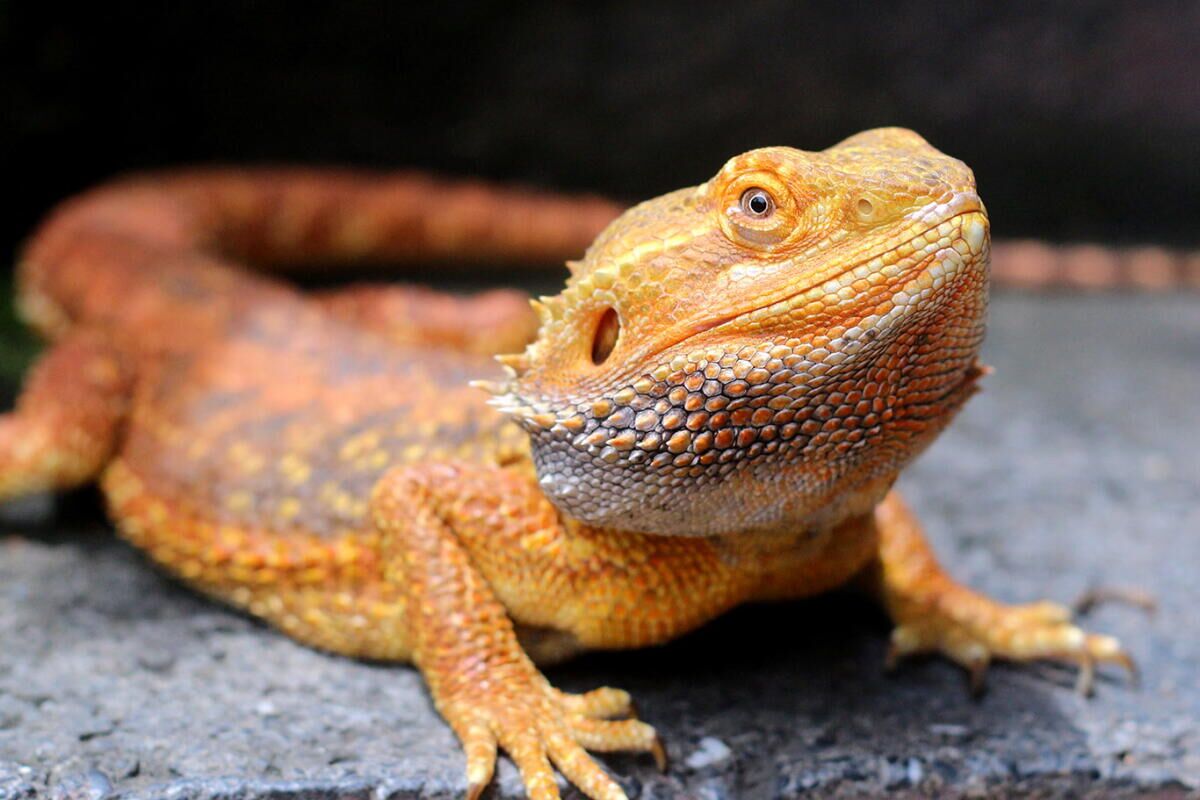
Why a gradient matters
Reptiles control their body temperature by moving between warm and cool areas. Every enclosure needs a warm end with a basking spot and a cooler end, so the animal can choose.
Every heat source needs a thermostat
A thermostat stops a heat source getting dangerously hot and keeps temperatures stable. Use a dimming or proportional thermostat for heat lamps and mats, and an on/off thermostat only for non-light heaters like ceramic heaters.
Never run a heat lamp, mat or ceramic heater without a thermostat. Unregulated heat sources cause burns and fires.
Measuring temperatures
- Use digital probe thermometers at the warm and cool ends.
- Use an infrared temperature gun to check basking surface temperatures. Many care figures refer to the surface, not the air.
- Check daily, especially when the weather changes.
Choosing heat sources
Halogen flood bulbs give the best basking heat for daytime species because they mimic the sun. Heat mats suit some geckos, snakes and invertebrates when fixed to the side or under part of the enclosure with a thermostat. Avoid heat rocks: they can overheat and cause serious burns.
Use bulb guards on lamps inside the enclosure so animals can't touch them.
At night
Most reptiles benefit from a natural drop at night, and many species don't need any night heat at all in a heated UK home. Avoid coloured night bulbs; if extra heat is needed, use a non-light heat source on a thermostat.
This guide is general advice. For health concerns, always speak to an exotic vet.
Last updated October 2026. Care guidance is subject to change as husbandry research develops.
More guides
See all
UVB lighting explained
Why reptiles need UVB, what UVI means, and how much each species needs.
Choosing your first reptile
What to think about before you bring a reptile home, and which species suit first-time keepers.
Feeder insects, gutloading and supplements
Choosing, sizing, gutloading and dusting insects so your reptile gets the nutrition it needs.