Feeder insects, gutloading and supplements
Choosing, sizing, gutloading and dusting insects so your reptile gets the nutrition it needs.
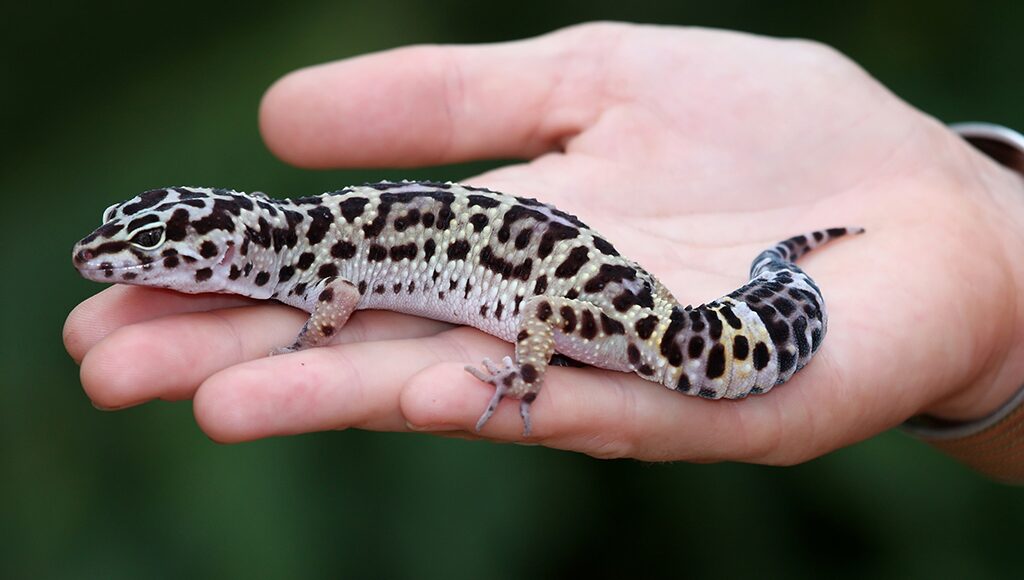
Pick a variety
Rotating several feeder species gives a more balanced diet than feeding one type. Good staples include dubia and discoid roaches, crickets, locusts, black soldier fly larvae and silkworms. Waxworms, superworms and butterworms are fatty treats.
Get the size right
A good rule for lizards is to feed insects no wider than the space between the animal's eyes. Oversized insects can cause choking or impaction.
Gutload first
Gutloading means feeding insects a nutritious diet for at least 24 hours before they're eaten, so the goodness passes on to your reptile. Use fresh greens, vegetables or a commercial gutload.
Dust with supplements
- Dust insects with calcium at most feeds. A light coating is enough.
- Use calcium without D3 if your reptile has good UVB, and with D3 if it doesn't.
- Add a multivitamin regularly; how often depends on the species and age (see the care sheets).
- Replace supplements every 6 months, as vitamins degrade.
Safety
- Never feed wild-caught insects: they can carry pesticides and parasites.
- Remove uneaten live insects. Crickets in particular will nibble a sleeping reptile.
- Fireflies are toxic to reptiles.
This guide is general advice. For health concerns, always speak to an exotic vet.
Last updated October 2026. Care guidance is subject to change as husbandry research develops.
More guides
See all
Choosing your first reptile
What to think about before you bring a reptile home, and which species suit first-time keepers.
UVB lighting explained
Why reptiles need UVB, what UVI means, and how much each species needs.
Heating, thermostats and temperature gradients
How to set up safe heating and a proper warm-to-cool gradient.