Health checks and when to see a vet
Signs of a healthy reptile, warning signs, and how to find an exotic vet.
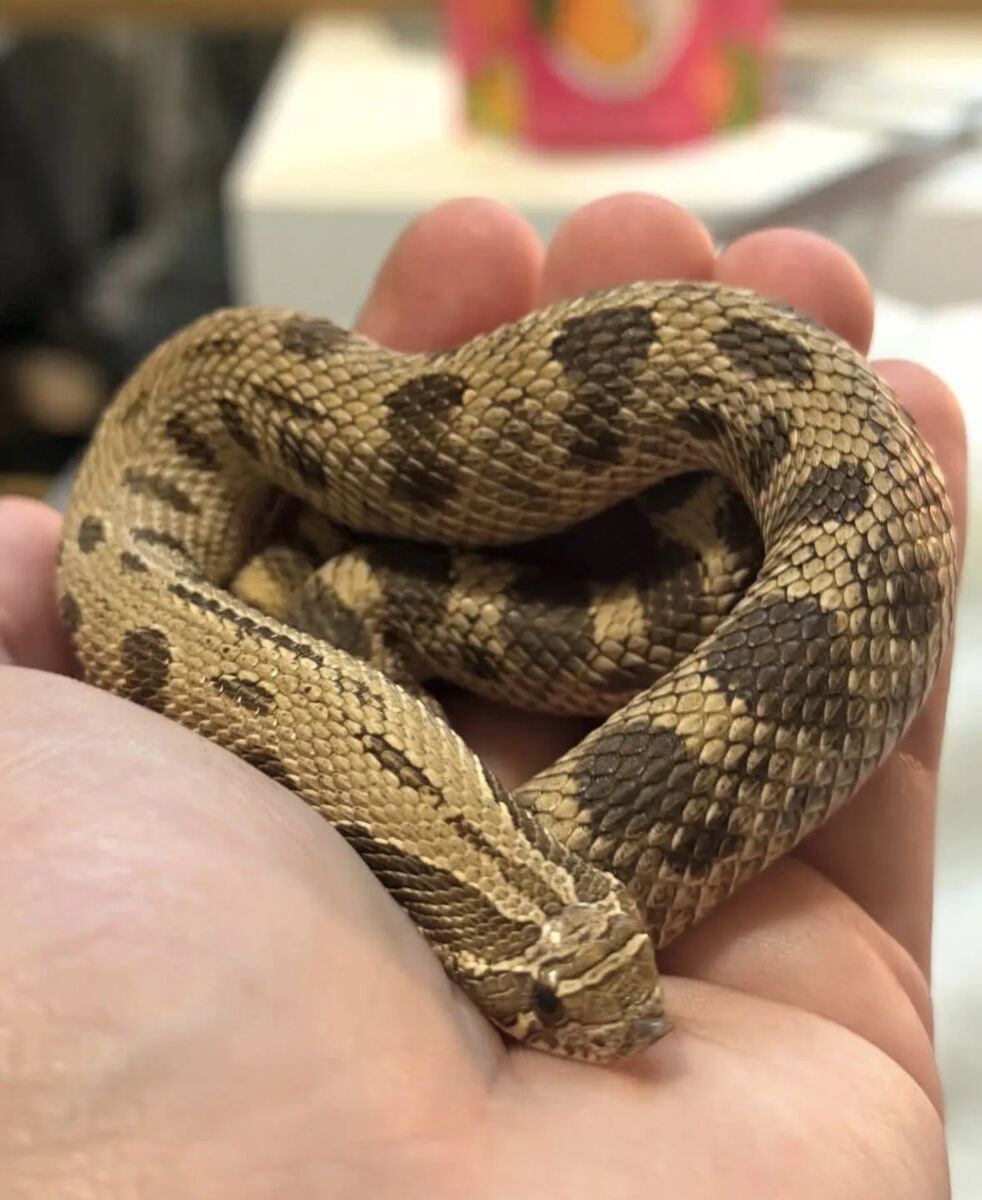
Signs of a healthy reptile
- Bright, alert eyes
- A healthy appetite for its species and age
- Regular, complete sheds
- A clean vent area
- Good body condition: not too thin, not obese
- Normal behaviour and activity
Warning signs
- Wheezing, open-mouth breathing or bubbles at the nose
- Swelling, especially of jaws or limbs
- Weight loss or a long refusal to eat (outside normal fasting or brumation)
- Mites (tiny black or red dots, often around the eyes)
- Runny droppings, blood or regurgitation
- Soft jaw, kinked spine or trembling, which can be signs of metabolic bone disease
Weigh regularly
A kitchen scale in grams is one of the best health tools you can own. Weigh monthly and keep a record; gradual weight loss is often the first sign something's wrong.
Finding an exotic vet
Not every vet treats reptiles. Find one with exotic experience before you need them. In the UK, you can search for practices on the RCVS Find a Vet service and check whether they see reptiles.
This guide is general advice. For health concerns, always speak to an exotic vet.
Last updated October 2026. Care guidance is subject to change as husbandry research develops.
More guides
See all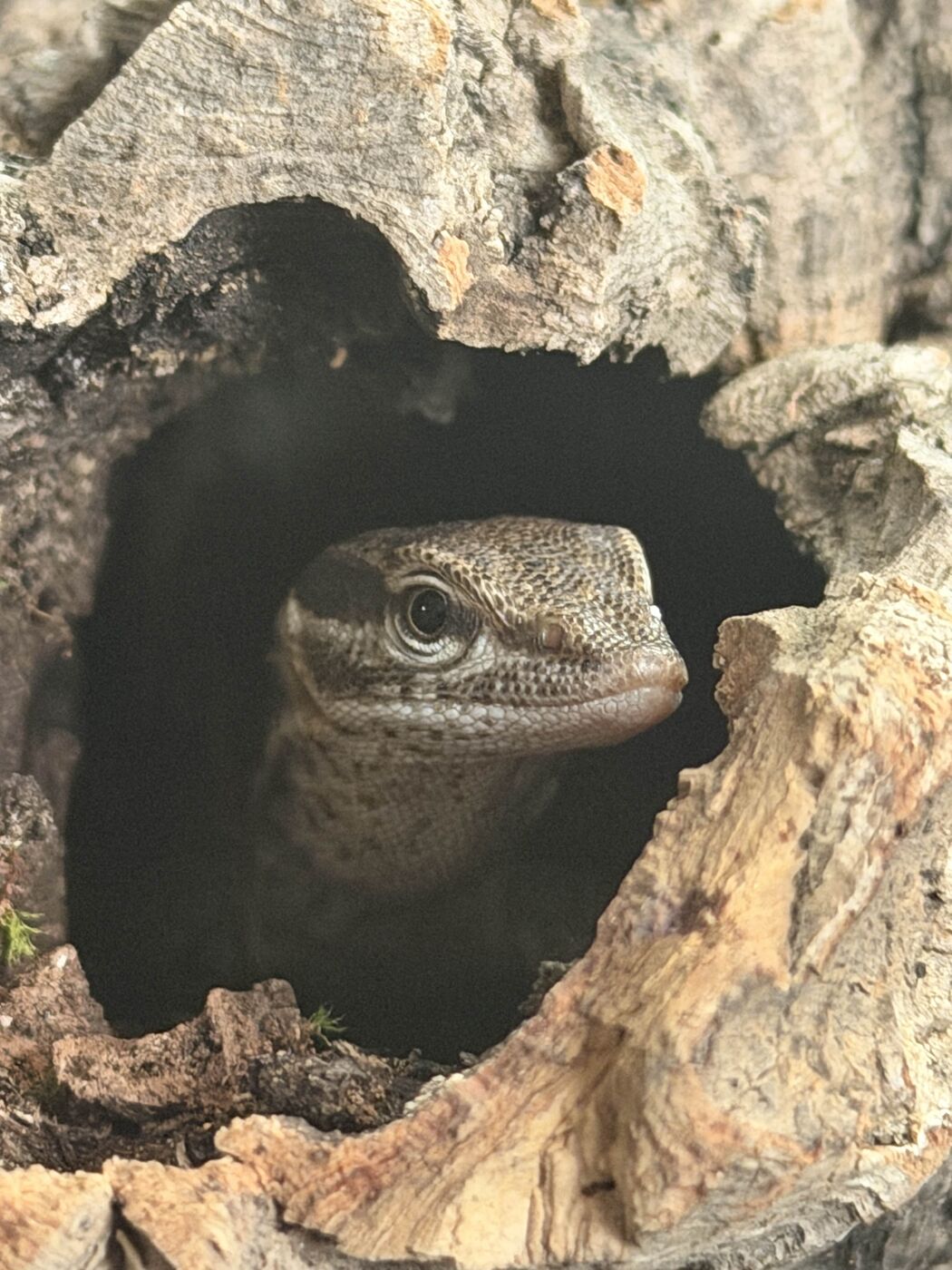
Quarantining a new reptile
How and why to keep new arrivals separate before they meet the rest of your collection.
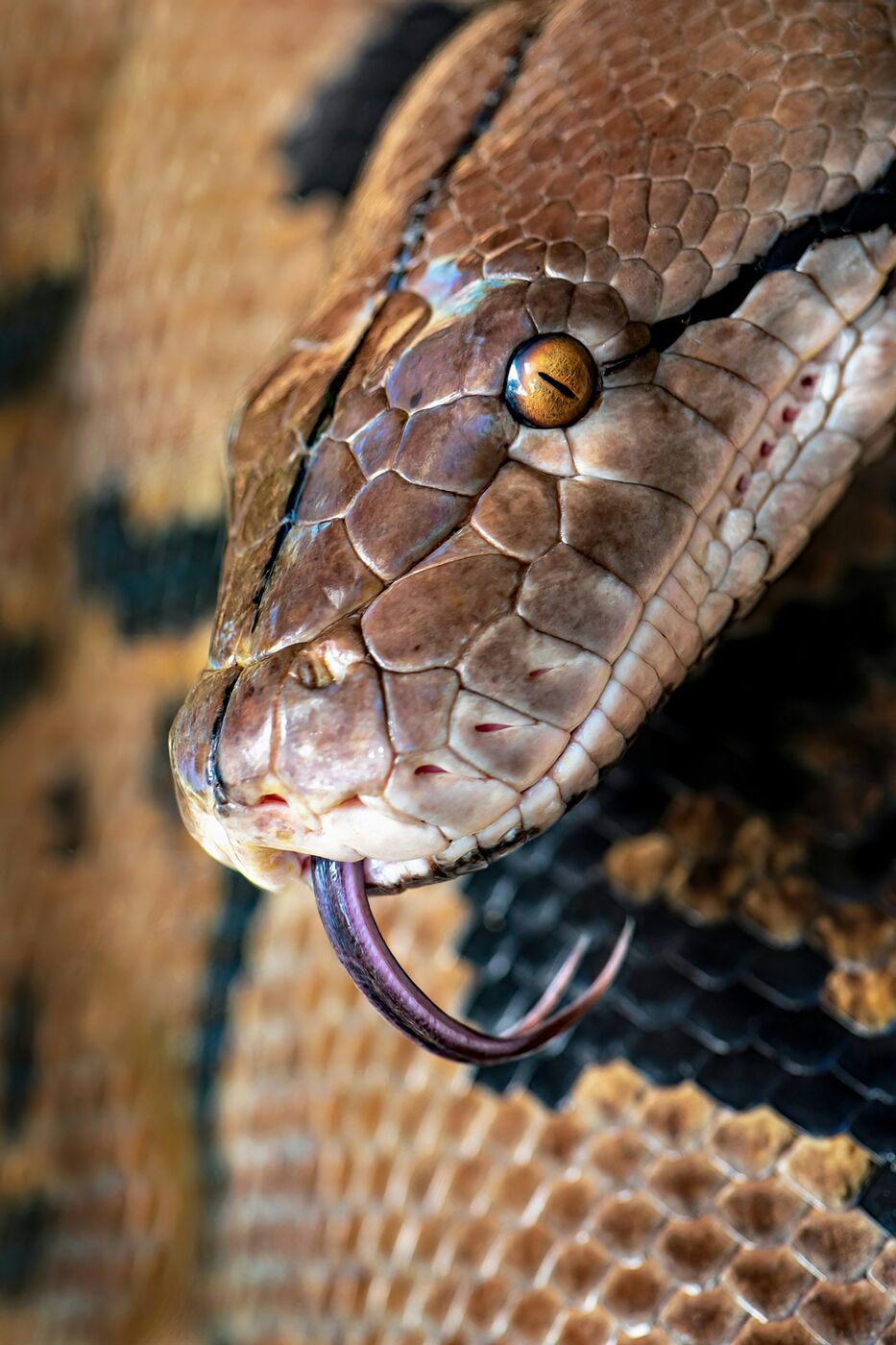
Shedding and stuck shed
What a healthy shed looks like and what to do when shed gets stuck.
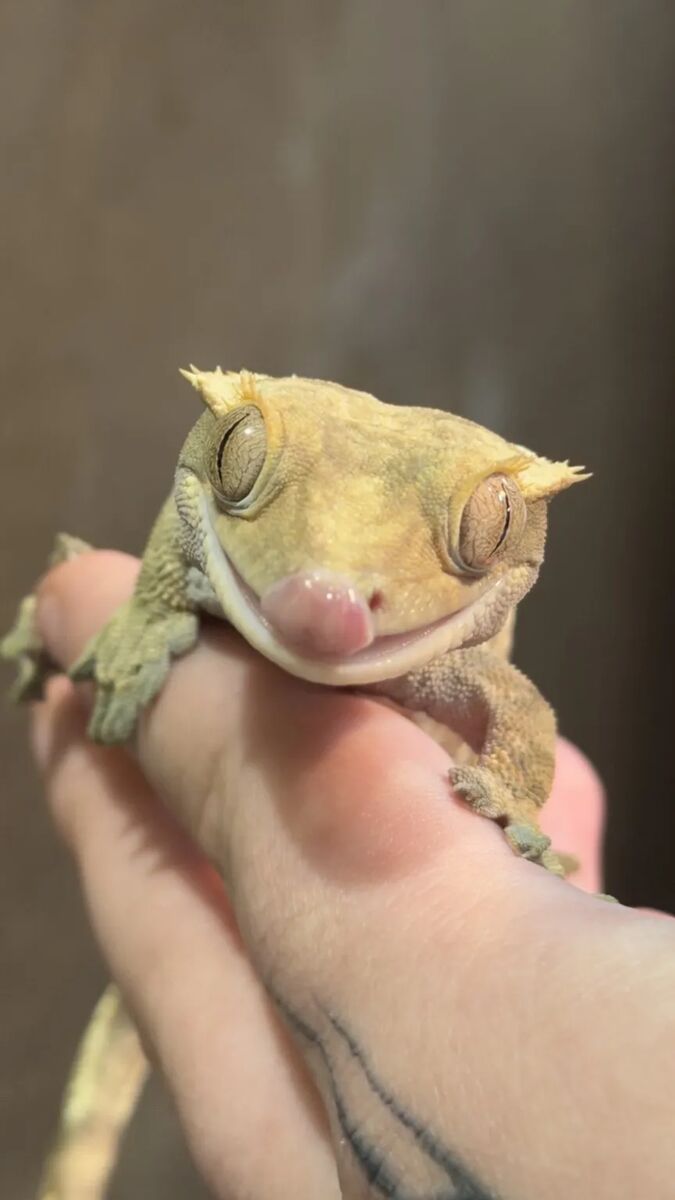
Choosing your first reptile
What to think about before you bring a reptile home, and which species suit first-time keepers.